
Beginner Gym Routine Guide

Gabriela D'Soares
Feb 24, 2026
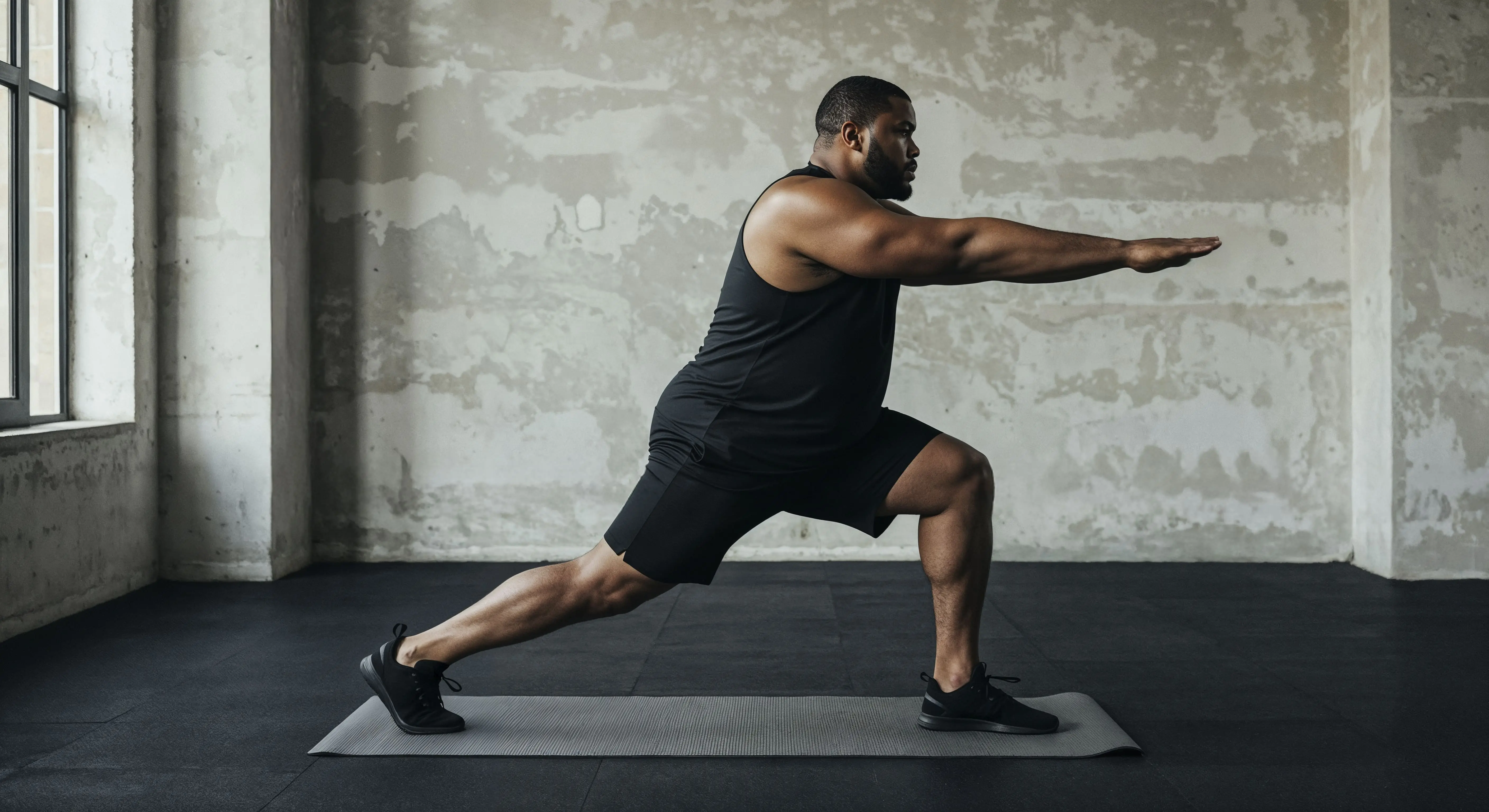
A simple gym plan for beginners to build muscle and gain strength fast.
Beginner Gym Routine Guide
Walking into a gym for the first time can feel overwhelming.
Machines everywhere. People lifting heavy. Conflicting advice on social media. And one big question in your head:
“What am I actually supposed to do?”
Here’s the truth most beginners don’t hear:
You don’t need a complicated split.
You don’t need fancy exercises.
You don’t need supplements.
You need a simple, structured routine that builds strength, teaches proper form, and allows your body to adapt.
This guide will give you exactly that.
What Beginners Should Focus On
As a beginner, your body is highly responsive to training. This is often called the “newbie gains” phase — where strength and muscle increase rapidly.
Your priorities should be:
Learning proper technique
Building foundational strength
Training consistently
Recovering properly
Not chasing intensity. Not training 6 days a week. Not copying advanced lifters.
Simplicity wins.
How Many Days Should Beginners Train?
The ideal frequency for beginners is:
3–4 days per week
This allows:
Full recovery between sessions
Better skill practice
Sustainable consistency
Training more than this often leads to unnecessary fatigue and poor form.
The Best Split for Beginners
The most effective structure for beginners is:
Option 1: Full Body (3x per week)
Monday – Wednesday – Friday
Each session trains the entire body.
Why this works:
Muscles are stimulated 3 times weekly
Faster learning of movement patterns
Efficient time use
This is the gold standard for beginners.
Beginner Full Body Routine (3 Days)
Perform this workout 3 times per week with at least one rest day between sessions.
Workout A
1. Squats (or Leg Press)
3 sets × 8–10 reps
2. Bench Press (or Chest Press Machine)
3 sets × 8–10 reps
3. Lat Pulldown (or Assisted Pull-ups)
3 sets × 8–12 reps
4. Dumbbell Shoulder Press
2–3 sets × 10 reps
5. Plank
3 sets × 30–45 seconds
Workout B
Alternate with Workout A on your next session.
1. Romanian Deadlift (or Deadlift)
3 sets × 8 reps
2. Incline Dumbbell Press
3 sets × 8–10 reps
3. Seated Row (Machine or Cable)
3 sets × 10 reps
4. Dumbbell Lunges
2–3 sets × 10 reps each leg
5. Hanging Knee Raises (or Crunches)
3 sets × 12–15 reps
Alternate A and B across the week.
Example:
Week 1: A / B / A
Week 2: B / A / B
How Much Weight Should You Use?
Choose a weight that allows you to:
Complete all reps with good form
Feel challenged on the last 2 reps
Maintain control (no swinging or ego lifting)
If you can easily do 15 reps when the target is 10, the weight is too light.
If you fail at 5 reps when the target is 10, it’s too heavy.
Form always comes first.
How to Progress as a Beginner
Progression is what builds muscle — not random effort.
Use this simple method:
Double progression model
Stay within the rep range (e.g., 8–10 reps)
Once you hit the top of the range for all sets
Increase weight next session
Example:
Week 1: 8 reps
Week 2: 9 reps
Week 3: 10 reps
Week 4: Add weight
Small, steady increases lead to massive long-term results.
Should Beginners Do Cardio?
Yes — but strategically.
If your goal is:
Muscle gain: 1–2 light cardio sessions per week
Fat loss: 2–3 moderate sessions per week
Avoid excessive cardio in the beginning. Strength training should be your foundation.
Walking 8–10k steps per day is often enough for general health.
How Long Should Workouts Last?
Beginner sessions should last:
45–60 minutes
Longer workouts don’t mean better workouts.
Intensity and focus matter more than duration.
If you’re training over 90 minutes as a beginner, you're likely doing too much.
Common Beginner Mistakes
1. Changing Programs Too Often
Stick to the same routine for at least 8–12 weeks.
Muscle builds from progression — not novelty.
2. Ignoring Rest Days
Rest is when growth happens.
Training hard without recovery slows progress.
3. Lifting Too Heavy Too Soon
Ego lifting leads to injuries.
Master movement first. Add weight later.
4. Not Tracking Workouts
If you’re not tracking sets and reps, you’re guessing.
Progress requires measurable overload.
Nutrition Basics for Beginners
Training stimulates growth.
Nutrition builds it.
Focus on:
Protein intake: ~0.7–1g per lb of bodyweight
Adequate calories (small surplus for muscle gain)
Whole foods 80% of the time
Without enough protein and calories, muscle growth stalls.
Hydration also matters more than most people think.
How Long Until You See Results?
Most beginners notice:
Strength increases within 2–3 weeks
Visible muscle changes within 6–8 weeks
Major transformation within 3–6 months
Consistency beats intensity.
The person who trains moderately for 6 months will outperform the one who trains aggressively for 3 weeks.
When Should You Change Your Routine?
Stay on a beginner routine until:
Progress significantly slows
You’ve trained consistently for 6–12 months
You need more volume to grow
Beginners grow from low volume. Advanced lifters require more.
Don’t rush the process.
The Beginner Success Formula
Here’s the formula that works:
Train 3 days per week
Focus on compound movements
Progress slowly
Eat enough protein
Sleep 7–9 hours
That’s it.
No hacks. No secret methods.
Just structure and consistency.
Final Thoughts
Here's a video that can help you in your own jorney:
Starting the gym doesn’t need to be confusing.
You don’t need perfect genetics.
You don’t need extreme motivation.
You don’t need a complicated program.
You need:
A clear plan.
Proper execution.
Patience.
Follow this beginner gym routine for the next 12 weeks, track your progress, and focus on getting slightly better each session.
Small improvements compound.
And before you realize it, you won’t be a beginner anymore.